

Full Body Laser Hair Removal Explained
- nkzebian
- Dec 8, 2025
- 4 min read
Updated: Mar 2
Laser hair removal has become a popular choice for those looking to reduce unwanted hair with lasting results. When it comes to treating multiple areas, full body hair removal offers a comprehensive solution. I want to share everything I’ve learned about this treatment, so you can feel confident and informed if you’re considering it.
Understanding Full Body Hair Removal
Full body hair removal means targeting several areas of the body in one or multiple sessions. Common zones include legs, arms, underarms, bikini line, back, chest, and face. The goal is to reduce hair growth significantly, making daily grooming easier and less time-consuming.
This treatment uses laser technology to target hair follicles beneath the skin. The laser emits light absorbed by the pigment in the hair, which damages the follicle and slows future growth. It’s important to know that laser hair removal works best on darker hair and lighter skin tones, but advances in technology have made it effective for a wider range of skin and hair types.
Benefits of Choosing Full Body Hair Removal
Time-saving: Treating multiple areas at once reduces the number of appointments.
Long-lasting results: Most people experience permanent hair reduction after several sessions.
Smooth skin: Laser treatments can improve skin texture and reduce irritation caused by shaving or waxing.
Cost-effective: Bundled full body packages often cost less than paying for individual areas separately.

What to Expect During Full Body Hair Removal
Before your first session, a consultation is essential. The technician will assess your skin and hair type, discuss your medical history, and explain the process. They may perform a patch test to check how your skin reacts to the laser.
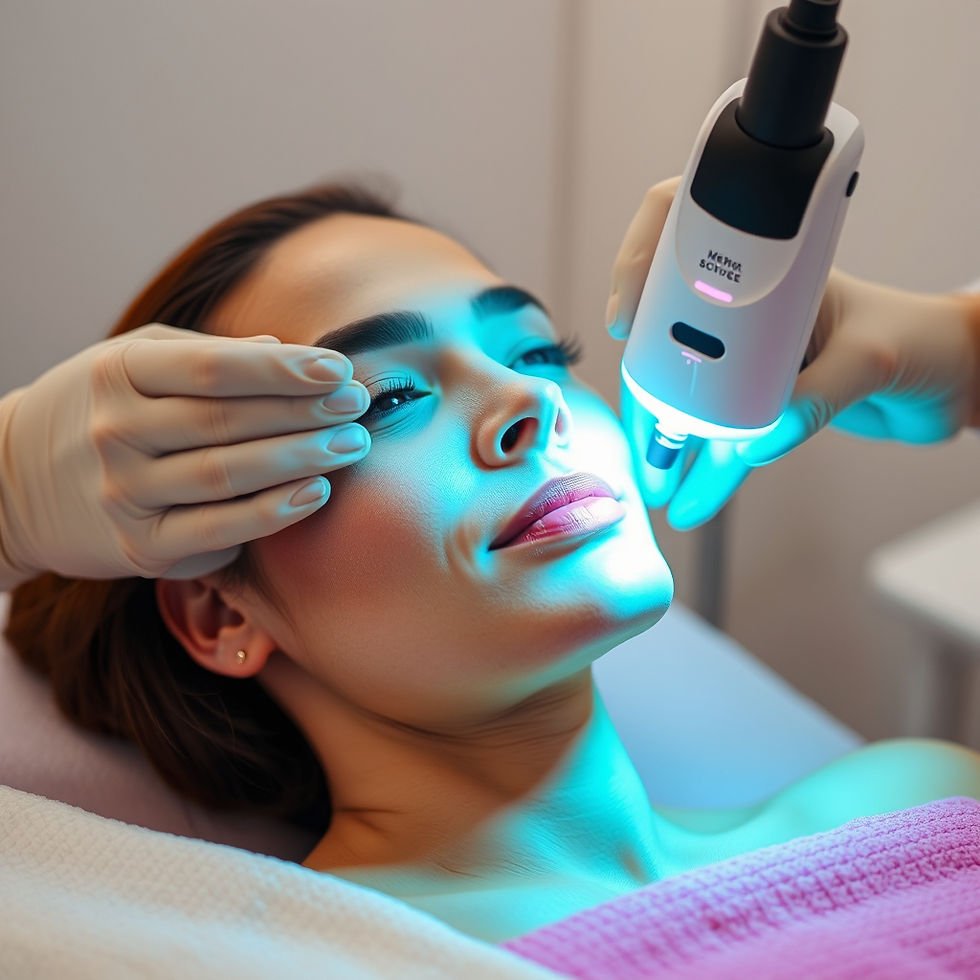
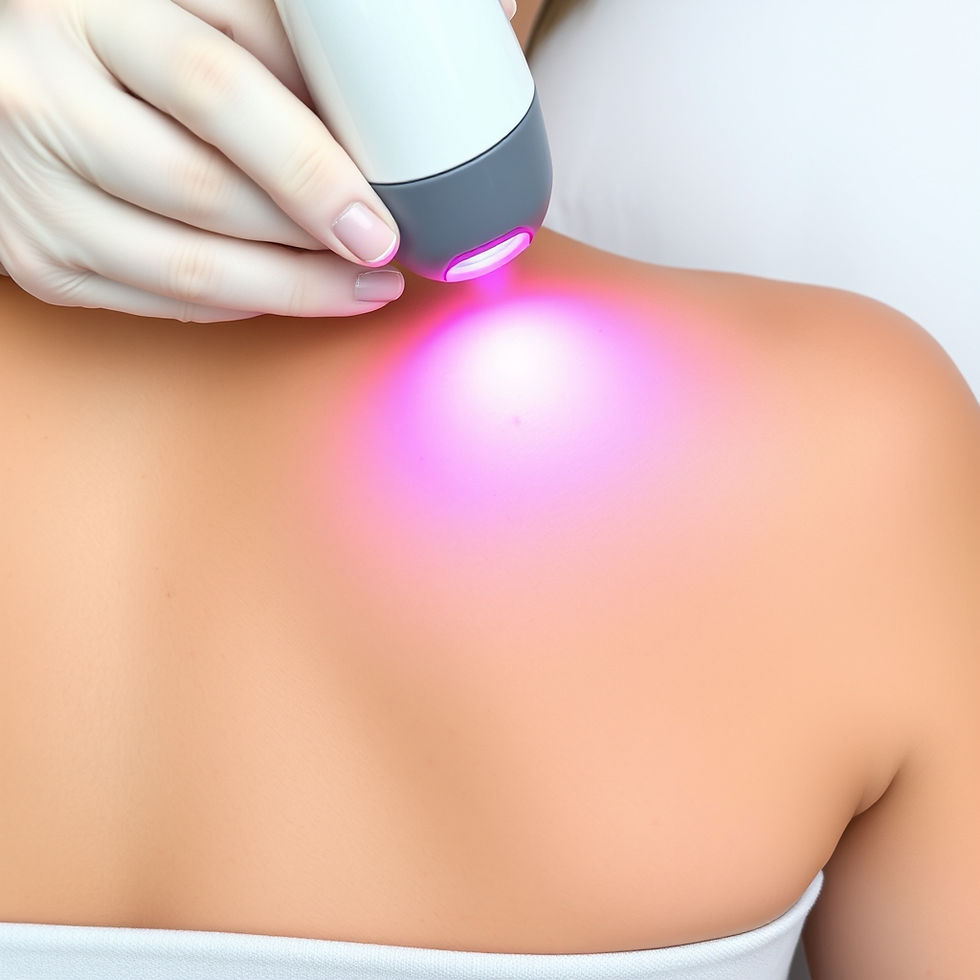
During the treatment, you will wear protective eyewear. The technician will use a handheld laser device to treat each area. You might feel a slight snapping sensation or warmth, but most people find it tolerable. The entire session can last from 30 minutes to two hours, depending on the areas treated.
After treatment, your skin may be red or slightly swollen, similar to a mild sunburn. This usually fades within a few hours to a couple of days. It’s important to avoid sun exposure and use sunscreen to protect treated areas.
Preparing for Your Sessions
Avoid sun exposure for at least two weeks before treatment.
Shave the area 24 to 48 hours before your appointment to allow the laser to target hair follicles effectively.
Skip waxing or plucking for at least four weeks before treatment, as the hair root needs to be present.
Avoid certain skincare products like retinoids or exfoliants a few days before your session.
How Many Sessions Will You Need?
Hair grows in cycles, and laser treatment is most effective during the active growth phase. Because not all hairs are in this phase at the same time, multiple sessions are necessary. Typically, 6 to 8 sessions spaced 4 to 6 weeks apart are recommended for full body hair removal.
Consistency is key. Skipping sessions or extending the time between treatments can reduce effectiveness. After completing the initial series, maintenance sessions may be needed once or twice a year to keep hair growth minimal.

Is Full Body Laser Hair Removal Right for You?
If you’re tired of constant shaving, waxing, or plucking, full body laser hair removal can be a game-changer. It’s especially beneficial if you want to treat multiple areas efficiently and enjoy smoother skin for longer.
However, it’s important to have realistic expectations. Laser hair removal reduces hair growth but may not remove every single hair permanently. Some fine or light-colored hairs might be resistant. Also, results vary based on individual factors like hair color, skin tone, and hormonal changes.
If you have sensitive skin or certain medical conditions, discuss these with your technician. They can tailor the treatment to your needs or advise if laser hair removal is not suitable.
Finding the Right Clinic in London, Ontario
Choosing a reputable clinic is crucial for safe and effective treatment. Look for a place with experienced technicians, modern equipment, and positive reviews. A good clinic will offer personalized consultations and clear aftercare instructions.
For those in London, Ontario, I recommend exploring options like full body laser hair removal at Najwa's Laser Hair Removal Clinic. They focus on advanced, comfortable treatments designed to deliver visible results and exceed expectations.
Taking Care of Your Skin After Treatment
Post-treatment care helps your skin heal and maximizes results. Here are some tips:
Keep the skin clean and moisturized.
Avoid hot baths, saunas, and intense exercise for 24-48 hours.
Use gentle skincare products and avoid exfoliating treated areas for a few days.
Apply sunscreen daily to protect sensitive skin from UV damage.
If you notice any unusual side effects like blistering, severe redness, or prolonged discomfort, contact your clinic immediately.
Embracing the Benefits of Full Body Hair Removal
Choosing full body hair removal is an investment in your comfort and confidence. It frees you from the hassle of frequent hair removal and gives you smooth, radiant skin. With the right clinic and proper care, you can enjoy the benefits safely and effectively.
If you’re ready to explore this option, take the first step by booking a consultation. Understanding the process and what to expect will help you feel at ease and excited about your journey to smoother skin.
Conclusion
I hope this guide helps you feel informed and ready to make the best choice for your hair removal needs. Remember, the right treatment can make a big difference in your daily routine and self-care. Full body laser hair removal is not just a procedure; it’s a pathway to enhanced self-esteem and freedom from the daily grind of hair removal. Embrace the change and enjoy the smooth skin you deserve!

Comments